This probably isn’t the story you're expecting.
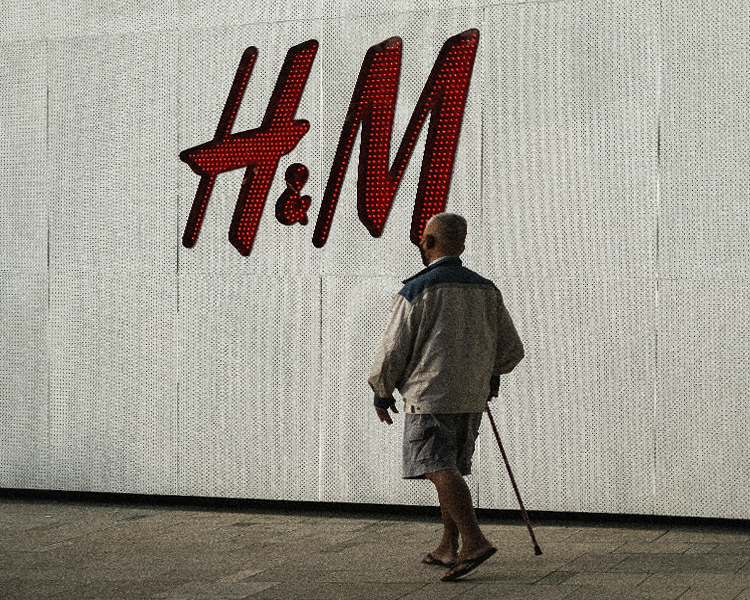
I didn’t quit fast fashion because I wanted to make more sustainable choices. The voice in my head was never like "you're personally contributing to a huge environmental problem, Courtney." I was morally okay with shopping at ZARA and H&M (at the time).
Here's the truth. I love new clothes. I get tired of my clothes (too) fast. And fast fashion was, on paper, perfect for me. Trendy stuff, cheap, new drops constantly. If I wore something once and never again, who cares? It cost €12.99.
the closet that kind of fit
At one point I was clearing out my closet what felt like every other month, because I didn't have enough hangers and my drawers wouldn't shut. Most of it was stuff I'd bought because it was cheap and figured I'd wear someday (spoiler alert: I did not). And if you're a fast-fashion connoisseur like I was, you know that most of it only kind of fits. But you overlook that because, again, it's cheap.
I had a closet full of clothes and somehow I didn’t want to wear any of it. And nearly all of it was fast fashion. And many of the things I had just bought recently. So that was annoying.
That's when the first real thought showed up (to quit buying fast fashion, that is). And it had nothing to do with ethics. It was: maybe I should spend a little bit more and buy things that actually fit?
Reasonable, right? Mature? I thought so, too.
the price gap nobody warns you about
I went looking for the next tier up. Better made, longer lasting, a step above fast fashion. What I found was a massive, weird price gap—and little to no improvement in quality.
You jump from €20 to €120, and a lot of the time the €120 thing isn't even better made. You're not paying for quality. You're paying for a name. Or if not the name itself, then at least for the privilege of shopping somewhere that isn't widely recognized as fast fashion. And I genuinely could not care less about the name. I don't dress to signal a brand. I dress for my mood—and my mood changes constantly, so I like to switch things up. But I wouldn’t be able to switch things up so much at those inexplicably high, non-fast-fashion price points.
So the so-called “mid-tier” was out. The payoff (for me) was essentially nonexistent.
okay, so secondhand wins?
I grew up thrifting in the US, and I loved it. So secondhand felt like the obvious answer. Cheaper, better for the planet, full of amazing finds when you’re not looking for them (that last part is key—when you’re not looking for them).
Except this is the Netherlands, and thrift culture is just…very different. If it even exists at all (I’m not entirely convinced). Secondhand here is often more expensive than fast fashion, which still breaks my brain a little.
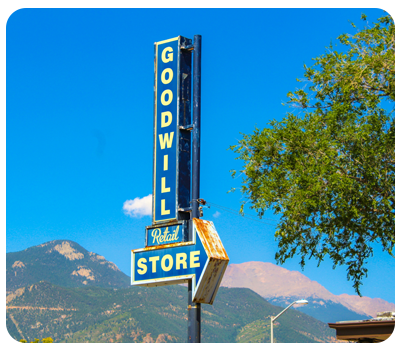
And living in Den Bosch, there are quite a few secondhand and vintage stores, but not the ones I really wanted to find. Nothing equivalent to walking into a Goodwill so big you could spend your entire day there and leave with a completely new wardrobe for under $50. I guess I do miss the US sometimes…
Location aside, a lot of secondhand shops don't have a website, let alone e-commerce. So to see what they have, you have to physically go there. Which can be very fun on occasion, but when you’re someone who loves to have new clothes on the reg and there’s a ZARA and an H&M in virtually every city center in the Netherlands, the latter is obviously more convenient. And it will inevitably pull you in.
the gap was the whole idea
So “mid-tier” seemingly doesn’t exist and it’s cheaper to go to H&M than to buy secondhand.
What’s a girl to do?!
Here's where I landed.
I wanted the thrifting feeling—affordable, ever-changing, a bit of a treasure hunt—with the convenience that fast fashion had spoiled me with. And it just didn't exist.
I like having new clothes, constantly. And that's not just the American in me speaking. Sure, I grew up in one of the most capitalist societies in the world—but as an expat in the Netherlands, I've gotten to know women from all over, and a love of clothes is always a safe topic when conversation lags. It's a shared love. And now there's a shared closet to match (keep reading).
I get bored fast. I don't care about brands. I don't have €120-per-sweater money (because I want a lot of sweaters, sue me), and I wouldn't spend it that way even if I did. Secondhand near me was either too expensive, too focused on brands, or just didn’t offer enough variety.
Fast fashion was the only thing that was both affordable (for my lifestyle) and convenient.
There was no option at a comparable price point that was equally convenient and not fast fashion. That gap—that very specific, slightly petty, entirely practical gap—is where Demat came from. Truly. From the bottom of my heart, this is why Demat exists.
so here's what demat is
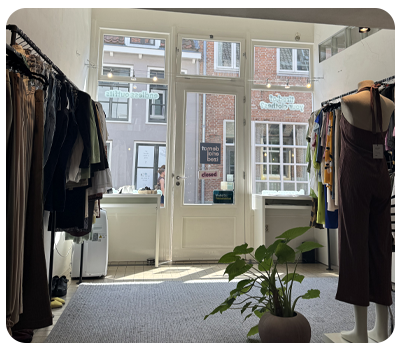
Demat is a shared closet. You become a member, and instead of buying clothes you'll inevitably regret buying, you borrow from a constantly rotating collection of (local) donations and curated finds that you get to wear for as long as you want, and then send them back when you’re ready for something new.
Demat is built for exactly the woman I was (and quite honestly, the woman I still am—no shame): someone who likes new things, gets bored fast, doesn't want a closet full of "this only kind of fits," and refuses to pay a premium for “mid-tier” brands that serve up fast-fashion quality.
With Demat, you get the variety, the thrill of the thrift, and the newness (well, new to you) without the buying-and-discarding cycle, and without the price gap. It's an affordable alternative to fast fashion that actually fits the way I like to dress, instead of asking me to become a different, more disciplined person who’s perfectly content with a capsule wardrobe (HA! Yeah, right).
the happy coincidence
Here's the part I genuinely did not plan: Demat is really good for the planet. Seriously. It’s a textbook example of a circular fashion solution. And that’s just by chance.
I had zero experience in the fashion industry before starting Demat. None. But now that I've gone all in with my (initially petty, yet sustainable under the hood) idea, I've been learning just how much needs to change in fashion around sustainability and circularity — and it's a lot. The biggest shift, though, is a mindset one, and that's going to be the biggest bear to wrestle.
I didn't come into this as a crusader. I came into it as a frustrated shopper with a full closet and nothing to wear, and the memory of Goodwill prices (those were the days!). The sustainability part is a very happy coincidence — and one I've since become determined to run with, cracking the code on what it'll take to get every woman to break the habit and start sharing their clothes.
So I think I’m starting to make up for all those trips to ZARA and H&M over the years. But the great thing is you don't have to care about any of that to join. It’s perfectly acceptable if you just want to have new clothes whenever you want them, without going broke. But every. single. woman. who joins the shared closet is part of something bigger, whether that's why they showed up or not.
If you can relate to any of this, you know where to find us.